

Introduction
Flooring plays a critical role in the appearance, functionality, and long-term maintenance costs of any commercial property. From retail stores and warehouses to offices and hospitality venues, business owners are increasingly turning to polished concrete as a practical and visually appealing flooring solution. In recent years, the demand for polished concrete has grown significantly due to its durability, low maintenance requirements, and modern aesthetic.
However, before making the investment, business owners should understand the advantages, limitations, costs, and suitability of polished concrete for their specific environment. This guide explores everything you need to know before choosing polished concrete for your commercial space.
What Is Polished Concrete?
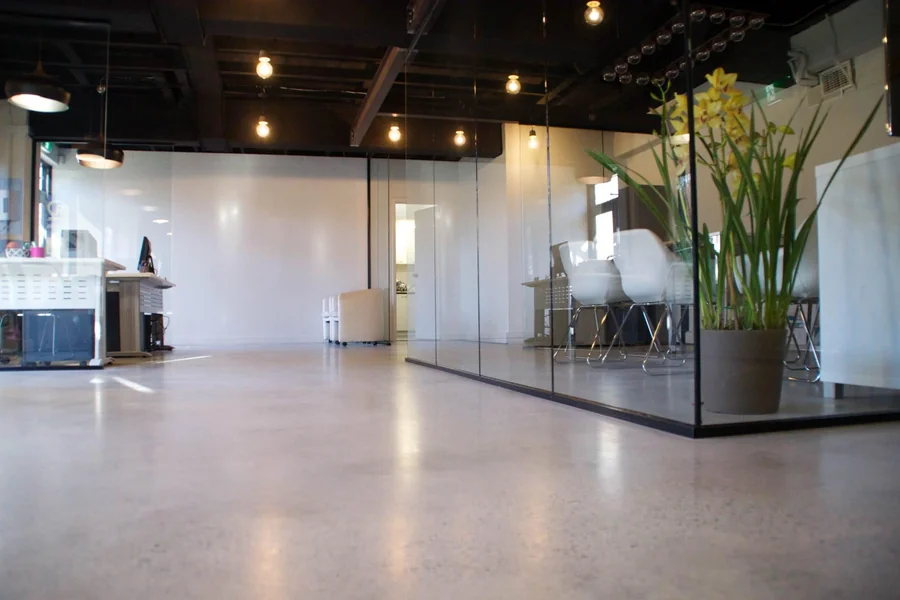
Polished concrete is a flooring system created by mechanically grinding, honing, and polishing a concrete surface using specialized equipment and diamond abrasives. The process transforms ordinary concrete into a smooth, glossy, and highly durable floor.
Depending on the desired finish, polished concrete can range from a subtle matte appearance to a high-gloss, mirror-like surface. Businesses can also customize the floor with decorative aggregates, dyes, stains, or patterns to match their branding and interior design.
Why Businesses Are Choosing Polished Concrete
Many commercial property owners are moving away from traditional flooring materials such as vinyl, carpet, and tile. One major reason is the long-term value that polished concrete provides.
According to industry estimates, polished concrete floors can last more than 20 years with proper maintenance, significantly outperforming many alternative flooring options. The combination of longevity and reduced maintenance costs makes polished concrete particularly attractive for businesses looking to maximize return on investment.
Key Benefits Include:
- Exceptional durability
- Low maintenance requirements
- Modern and professional appearance
- Improved light reflectivity
- Cost-effective long-term performance
- Resistance to heavy foot traffic
Understanding the Initial Investment
One of the first questions business owners ask is about cost. While polished concrete is often more affordable than premium stone flooring, the initial investment can vary depending on several factors.
Factors That Influence Cost
Existing Concrete Condition
The condition of the existing slab significantly impacts project costs. Cracks, uneven surfaces, stains, or structural damage may require repairs before polishing can begin.
Desired Finish Level
Higher gloss finishes require additional grinding and polishing stages, increasing labor and material costs.
Floor Size
Larger commercial spaces generally benefit from lower per-square-foot costs due to economies of scale.
Decorative Enhancements
Adding custom colors, logos, stains, or exposed aggregate designs can increase the overall project budget.
Although polished concrete may require a higher upfront investment than some flooring alternatives, many businesses find that the reduced maintenance and replacement expenses offset the initial cost over time.
Evaluate Your Business Environment
Not every commercial setting has identical flooring requirements. Before choosing polished concrete, business owners should assess how the space will be used daily.
High-Traffic Areas
Polished concrete performs exceptionally well in environments with constant foot traffic. Retail stores, airports, shopping centers, and educational facilities often benefit from its durability and wear resistance.
Industrial Facilities
Warehouses and manufacturing facilities appreciate polished concrete because it can withstand heavy equipment, forklifts, and continuous operational demands.
Hospitality and Office Spaces
Modern offices, restaurants, and hotels often choose polished concrete for its sleek and contemporary appearance. The reflective surface can contribute to a brighter and more inviting atmosphere.
Maintenance Requirements Are Surprisingly Low
One of the strongest selling points of polished concrete is its low maintenance profile.
Unlike carpet that requires deep cleaning or tile that needs grout maintenance, polished concrete can typically be maintained through:
- Routine dust mopping
- Damp mopping with a neutral cleaner
- Periodic burnishing if necessary
This simplified maintenance routine helps businesses save both time and operational costs. Studies suggest that maintenance expenses for polished concrete can be up to 60% lower than some traditional commercial flooring systems over their lifespan.
Energy Efficiency Benefits
Many business owners overlook the energy-saving advantages of polished concrete.
The highly reflective surface can increase ambient lighting levels by reflecting natural and artificial light throughout the space. This improved reflectivity may reduce the need for additional lighting fixtures and lower electricity consumption.
In larger commercial buildings, even a modest reduction in lighting costs can lead to meaningful annual savings.
Slip Resistance and Safety Considerations
A common misconception is that polished concrete becomes dangerously slippery because of its shiny appearance. In reality, professionally installed polished concrete can offer excellent slip resistance when properly maintained.
The polishing process enhances smoothness without necessarily creating a hazardous surface. Additionally, contractors can apply specialized treatments to improve traction in areas where moisture exposure is common.
Business owners should discuss slip-resistance requirements with their flooring contractor to ensure compliance with local safety standards.
Environmental Advantages of Polished Concrete
Sustainability has become an important consideration for many businesses. Polished concrete is often viewed as an environmentally friendly flooring option because it typically utilizes the existing concrete slab rather than requiring additional flooring materials.
Environmental benefits may include:
- Reduced material consumption
- Lower maintenance chemical usage
- Improved indoor air quality
- Reduced waste generation
- Longer product lifespan
Businesses pursuing sustainability goals or green building certifications often view polished concrete as a practical flooring solution.
Potential Limitations to Consider
While polished concrete offers numerous advantages, it is important to understand its limitations.
Hard Surface
Concrete is naturally hard, which can lead to fatigue for employees who stand for extended periods. Anti-fatigue mats may be necessary in workstations where employees remain stationary.
Temperature Sensitivity
Concrete can feel cool underfoot, particularly in colder climates. While this may be beneficial in warmer regions, it could be less desirable in certain indoor environments.
Existing Slab Quality
The final appearance of polished concrete largely depends on the condition and quality of the original concrete slab. Older slabs may present aesthetic challenges that require additional preparation work.
Choosing the Right Polished Concrete Contractor
The success of any polished concrete project depends heavily on the contractor’s experience and expertise.
When evaluating contractors, consider:
- Years of experience with commercial projects
- Portfolio of completed installations
- Customer reviews and testimonials
- Equipment and polishing methods used
- Warranty offerings
- Knowledge of safety and compliance requirements
Requesting references and reviewing previous projects can help ensure you select a qualified professional capable of delivering high-quality results.
Final Thoughts
For many commercial properties, polished concrete offers an ideal balance of durability, aesthetics, sustainability, and long-term value. Its ability to withstand heavy traffic while maintaining a professional appearance has made it one of the fastest-growing flooring solutions in modern commercial construction.
Before making a decision, business owners should carefully evaluate their operational needs, budget, existing concrete condition, and maintenance expectations. By understanding both the benefits and limitations of polished concrete, companies can make a more informed investment that supports their business goals for years to come.
Whether you’re upgrading a retail showroom, renovating an office, or improving a warehouse facility, polished concrete remains a flooring option worthy of serious consideration.
