

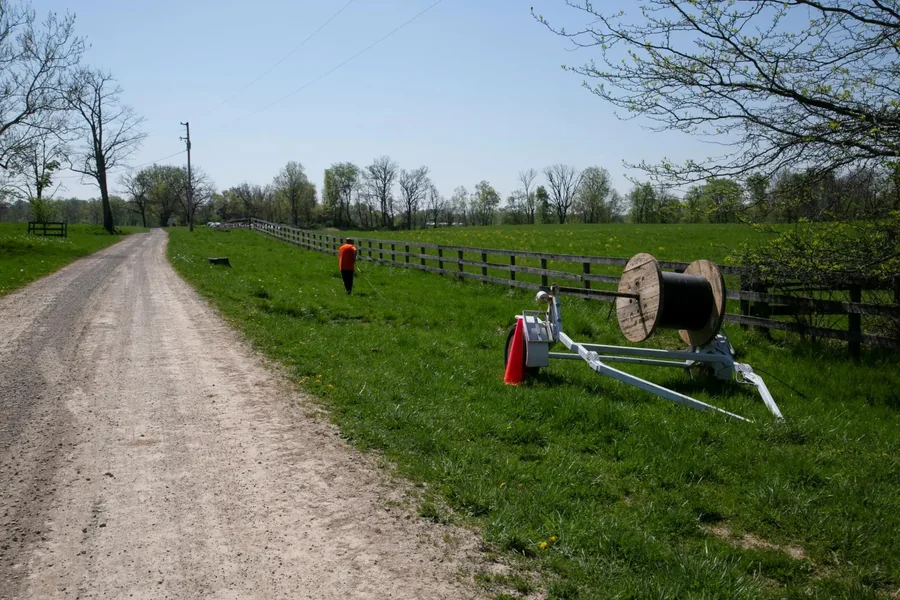
For decades, rural communities around the world have faced significant barriers to high-speed internet access. Unlike urban areas, where multiple providers offer gigabit speeds and low-latency connections, rural regions often rely on outdated DSL, satellite, or mobile networks that struggle to meet modern digital demands. This digital divide has limited opportunities in education, healthcare, business, and everyday communication. However, the emergence of fiber-optic internet is reshaping connectivity for rural communities, offering a solution that promises speed, reliability, and long-term growth.
The Challenges of Rural Connectivity
Rural communities continue to experience distinct connectivity challenges, as geographic isolation, sparse populations, and difficult terrain often make conventional internet infrastructure expensive to deploy. As a result, many households depend on slower or mobile-based alternatives, shaping how residents access online services, platforms, and applications such as parimatch mobile in these regions.
-
DSL: Speeds are limited by distance from central offices, often resulting in inconsistent connections.
-
Satellite: While covering wide areas, satellite internet suffers from latency issues and data caps, making streaming, online learning, and remote work challenging.
-
Fixed Wireless: Weather and topography can disrupt service, and bandwidth is shared among users, causing slowdowns during peak times.
These limitations contribute to a digital divide, preventing rural residents from fully participating in the digital economy, accessing telehealth services, or benefiting from online educational resources.
Fiber-Optic Internet: A Game Changer
Fiber-optic technology transmits data using light signals through glass or plastic fibers, allowing for far higher speeds and greater reliability than traditional copper or wireless connections. Unlike DSL or cable, fiber provides symmetrical upload and download speeds, often reaching 1 gbps or more, with minimal latency.
For rural communities, fiber internet represents more than just faster connections; it opens doors to opportunities that were previously out of reach.
Benefits for Education
Access to high-speed fiber internet can revolutionize rural education. Students can participate in live video classes, access cloud-based learning platforms, and download large educational resources without frustration. Schools can implement digital classrooms, allowing teachers to offer innovative learning experiences that rival urban institutions.
Moreover, teachers in rural areas can access professional development courses online, collaborate with peers nationwide, and integrate technology into their curriculum more effectively.
Advancements in Healthcare
Telehealth has emerged as a critical service, particularly in areas with limited healthcare facilities. High-speed fiber connections allow rural residents to consult with specialists via video calls, receive timely diagnoses, and monitor chronic conditions remotely. Reliable internet also enables healthcare providers to share medical records securely, stream live training sessions, and participate in collaborative research. Fiber internet ensures that these services are not only accessible but also seamless, supporting high-quality care without requiring patients to travel long distances.
Economic Growth and Remote Work
Reliable fiber internet can invigorate rural economies. Small businesses can expand online, reach global markets, and implement modern e-commerce platforms. Agriculture-based businesses can leverage smart farming technologies, including IoT sensors and data analytics, to improve efficiency and crop yields. Additionally, fiber internet allows residents to engage in remote work, attracting professionals who prefer rural living while maintaining their urban-based jobs.
Community and Social Connectivity
Beyond practical applications, fiber internet enhances social connections. Residents can access social media, streaming platforms, and online communities without frustration. Local governments can provide digital services more effectively, including online bill payments, community portals, and emergency notifications. Reliable internet also encourages civic engagement, as residents can participate in virtual town halls, access government resources, and collaborate on local projects.
Overcoming Deployment Challenges
Despite its benefits, deploying fiber internet in rural areas comes with obstacles. The cost of laying fiber optic cables across vast, sparsely populated areas can be prohibitive. In addition, regulatory hurdles and logistical challenges may delay implementation.
To address these issues, governments and private companies are partnering to fund rural fiber projects. Grants, subsidies, and public-private partnerships help offset costs, while innovative deployment methods, such as micro-trenching and aerial fiber installation, reduce construction time and expenses.
The Future of Rural Connectivity
As fiber infrastructure expands, rural communities are poised to experience unprecedented digital transformation. Emerging technologies like virtual reality, augmented reality, and cloud computing rely on robust internet connections, which fiber can deliver. Education, healthcare, business, and social life in rural areas will increasingly mirror the experiences of urban centres. Moreover, as more communities gain access to fiber internet, economic disparities between rural and urban areas are likely to shrink, creating a more equitable digital landscape.
Conclusion
Fiber internet is more than just a technological upgrade for rural communities; it is a catalyst for social, educational, and economic empowerment. By providing high-speed, reliable, and scalable connectivity, fiber technology is bridging the digital divide and enabling rural residents to participate fully in the modern digital world. As deployment accelerates and adoption grows, rural communities are not just catching up; they are poised to thrive in a connected future.
